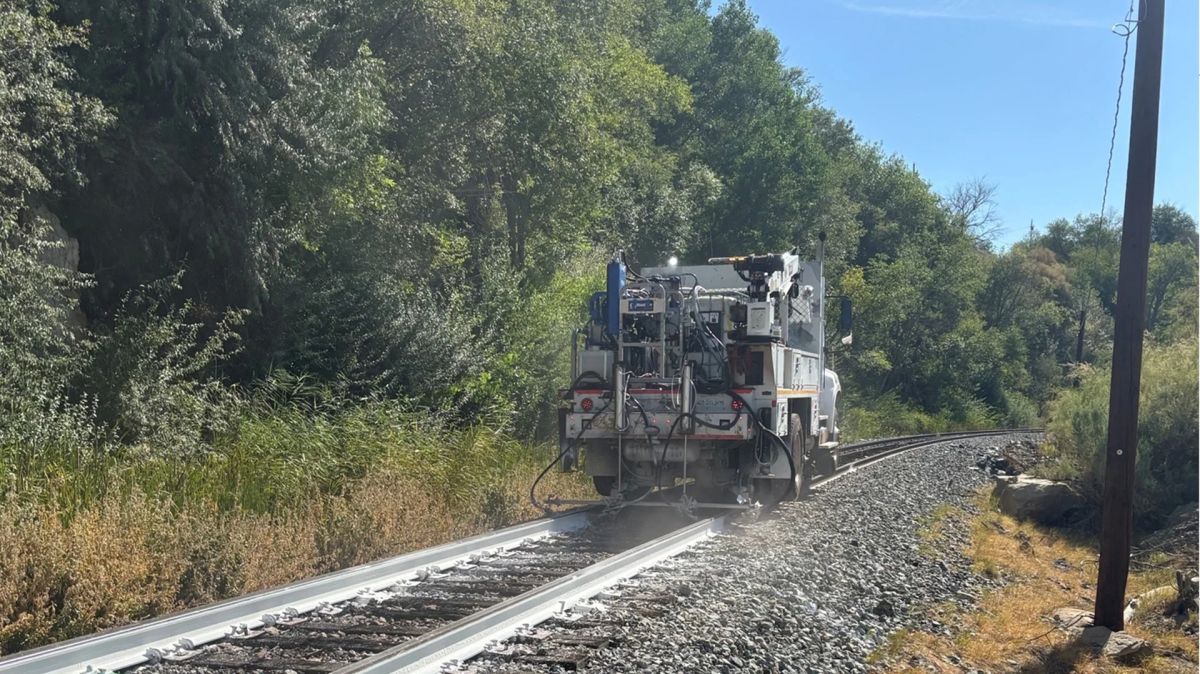
Much of the UK’s rail network runs through rural and remote areas, where setting up a fully equipped worksite can be as complex as the engineering itself. Whether it’s electrification works in North Yorkshire or bridge repairs in Devon, teams often need to operate miles away from established infrastructure. In these situations, creating a comfortable, efficient, and compliant workspace becomes a project in its own right. That’s where modular offices and storage containers come in, offering flexible, ready-to-use solutions that support both productivity and welfare on-site. Companies such as Bell Container have played a key role in providing these modular solutions for construction and infrastructure projects across the UK, helping teams establish reliable site setups wherever the work takes them.
1. The Challenges of Remote Rail Work
Working on isolated sections of track brings several familiar hurdles. Access to power, water, and shelter is often limited, and strict safety and welfare requirements must be met regardless of location. Project schedules are usually tight, with teams and materials constantly moving between worksites. Traditional setups built from temporary materials take time to construct and dismantle, which can cause costly delays. In contrast, modular units arrive pre-assembled and can be deployed in a fraction of the time, providing an immediate base of operations wherever the work is located.
2. Why Modular Offices Are the Beating Heart of a Remote Site
A well-organised modular office can transform a disjointed field operation into a cohesive workspace. These units can be ready for use within hours of delivery, allowing project teams to get started without unnecessary setup delays. They also provide comfortable working conditions, with insulation and fittings designed for year-round use, which is especially valuable during long night shifts or in harsh weather. Layouts can be adapted to suit the needs of each project, whether that means creating a planning space, meeting area, or rest zone for the team. When the project moves to a new location, the same modular units can move too, avoiding the expense and disruption of building a new setup from scratch. This flexibility helps ensure consistency and efficiency across every phase of the work.
3. Secure Storage: The Backbone of Rail Site Logistics
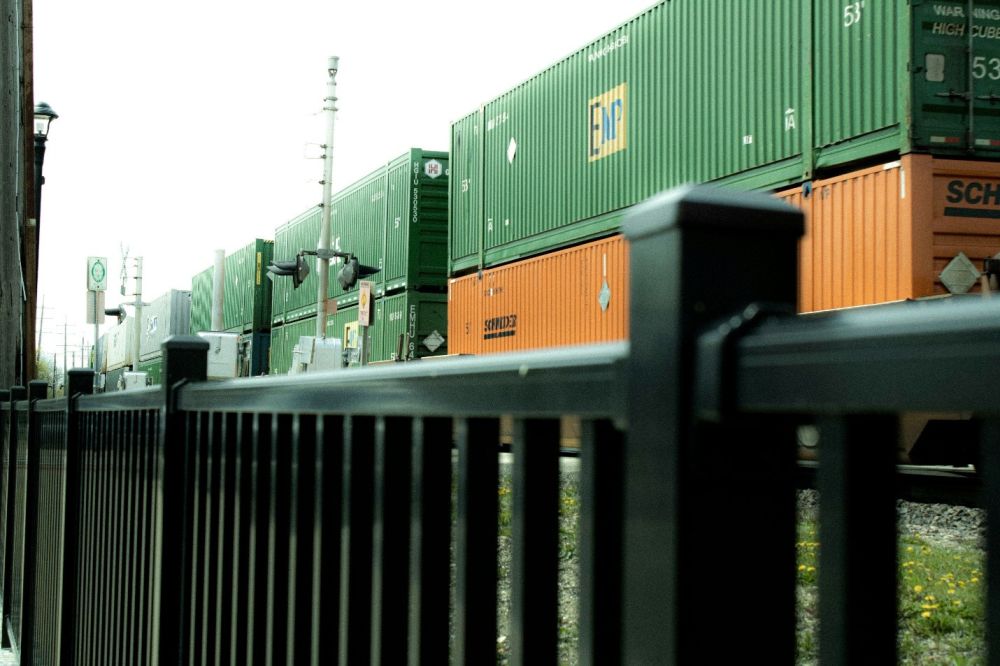
Every rail project relies on tools, signalling equipment, and materials that must be kept secure yet readily accessible. Storage containers provide a dependable and practical solution. Their reinforced steel construction and secure locking systems protect valuable assets from theft or damage, while internal fittings and shelving make it easier to organise materials and manage inventory. By keeping sensitive equipment dry and clean, storage containers also help prevent weather-related delays and maintenance issues. In some cases, containers can be converted into workshops or welfare spaces, offering even greater flexibility. For teams working in remote areas, having a reliable and secure storage system on-site can make a significant difference to both productivity and peace of mind.
4. Building Sustainably, Working Responsibly
The rail industry’s commitment to reducing its carbon footprint now extends beyond train operations to include how worksites themselves are managed. Modular and container-based setups naturally support more sustainable site operations. Because the units can be reused across multiple projects, they reduce material waste and the need for constant rebuilding. Their compact, stackable design makes transportation more efficient, which helps lower emissions associated with moving equipment from site to site. Temporary setups also minimise disruption to surrounding environments, an important consideration for projects taking place in rural or protected landscapes. This approach allows teams to meet their operational goals while maintaining a strong commitment to environmental responsibility.
5. A Smarter Way to Manage Mobility
Modern rail projects are rarely confined to a single location. As work progresses, teams and equipment often need to move along the line, which means site infrastructure must move with them. Modular setups make this process far easier by allowing project managers to maintain consistent standards for communication, welfare, and security as the work advances. Instead of dismantling and rebuilding, units can be relocated quickly and efficiently, ensuring that operations continue with minimal disruption. This mobility also supports faster project turnaround times and reduces administrative workload, helping teams stay focused on delivery rather than logistics.
Conclusion: Efficiency Built Into Every Phase
Managing remote rail projects will always involve challenges, but the right site infrastructure can make them far easier to overcome. Modular offices and storage containers have become essential tools in the rail sector’s modern toolkit, bringing flexibility, safety, and sustainability to worksites of every size. As rail projects grow in scale and complexity, these solutions ensure that operations remain grounded, efficient, and connected, no matter where the tracks may lead.